
Your Guide to Glass
Discover the differences between popular types of glass, where they are used and how to care for them. Our guide will help you understand the options before discussing your project with Glassplan London.
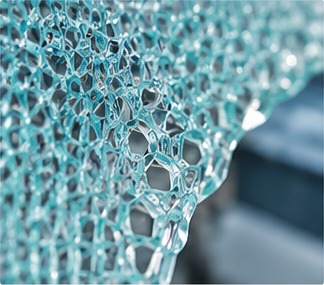
Toughened Safety Glass
Toughened (tempered) glass is heat-treated to increase its strength. If broken, it generally breaks into small fragments rather than large sharp shards.
- Commonly used for shower screens, glass doors and balustrades.
- Cut-outs and holes must normally be made before toughening.
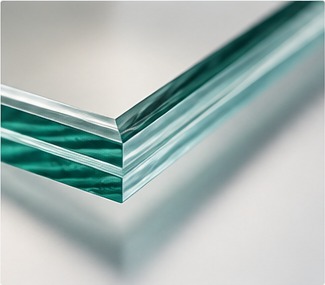
Laminated Safety Glass
Laminated glass contains two or more glass layers bonded by an interlayer. If broken, fragments tend to remain attached to that interlayer.
- Useful where glass retention after breakage matters.
- Often specified for balustrades, canopies and security glazing.
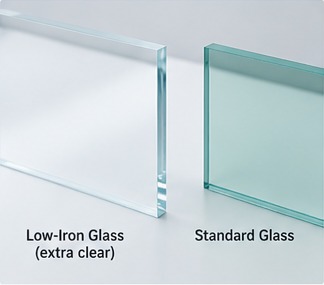
Low-Iron Glass
Low-iron glass has a reduced green tint compared with standard clear float glass. It provides a clearer view of colours and is particularly useful for decorative glazing.
- Popular for painted kitchen splashbacks.
- Suitable for premium displays and decorative panels.
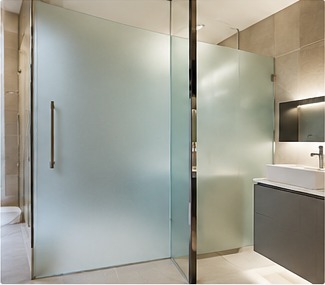
Frosted & Privacy Glass
Frosted, satin or patterned glass diffuses views while allowing light to pass through. Different finishes offer different levels of privacy.
- Ideal for bathrooms, doors and partitions.
- Privacy does not automatically mean safety glazing.
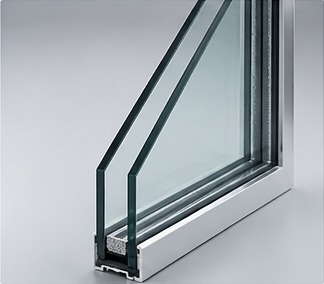
Insulated Glass Units
Double- and triple-glazed units combine panes separated by sealed cavities to help reduce heat transfer. Performance depends on the complete unit specification.
- Often used in windows and exterior doors.
- Options include low-emissivity coatings and acoustic upgrades.
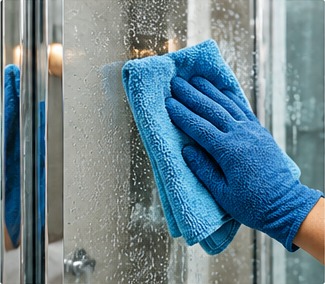
Glass Care & Maintenance
Clean glass regularly with a soft, non-abrasive cloth and a suitable cleaner. Rinse residues and avoid abrasive pads that may scratch glass or damage coatings.
- Follow the manufacturer's instructions for coated glass.
- Inspect seals and fittings periodically.
Photographs are illustrative examples, not technical product specifications.